Welding Cables Manufacturers in India
Table of Contents
Introduction
Welding is an important process in industries such as construction, automotive manufacturing, shipbuilding, fabrication, and metalworking. A reliable setup requires high-quality equipment, proper electrical connections, and durable cables. Welding cables play a major role in transferring electrical current from the machine to the electrode holder or torch. Choosing the right cable helps ensure safe, smooth, and efficient welding operations.
When searching for Welding Cables Manufacturers in India, buyers look for products that offer flexibility, durability, electrical conductivity, and dependable performance. Megacab is a company to consider when exploring cable solutions for industrial and commercial requirements. Selecting a suitable welding cable can help businesses improve work efficiency and maintain reliable operations.
What Are Welding Cables
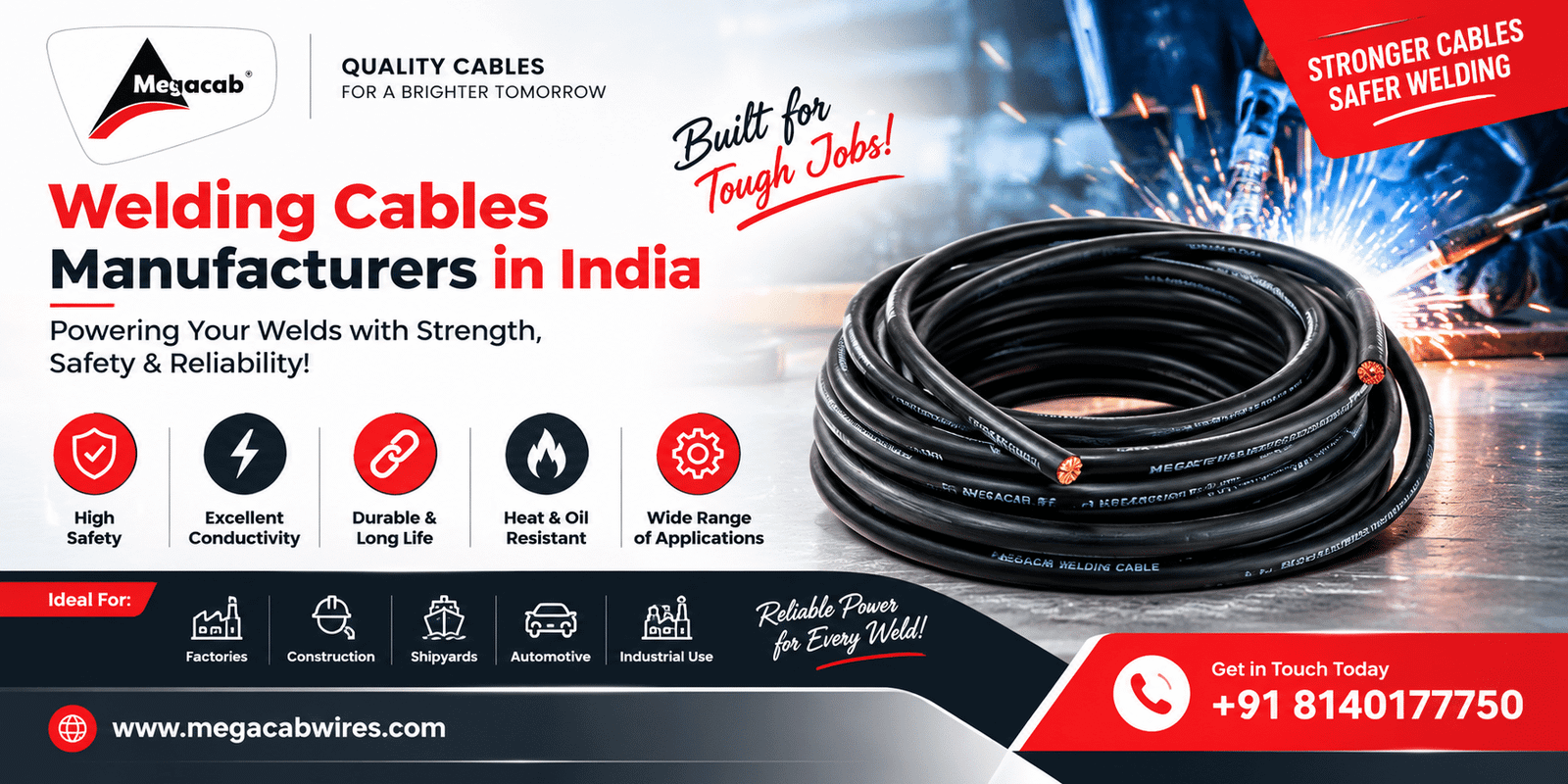
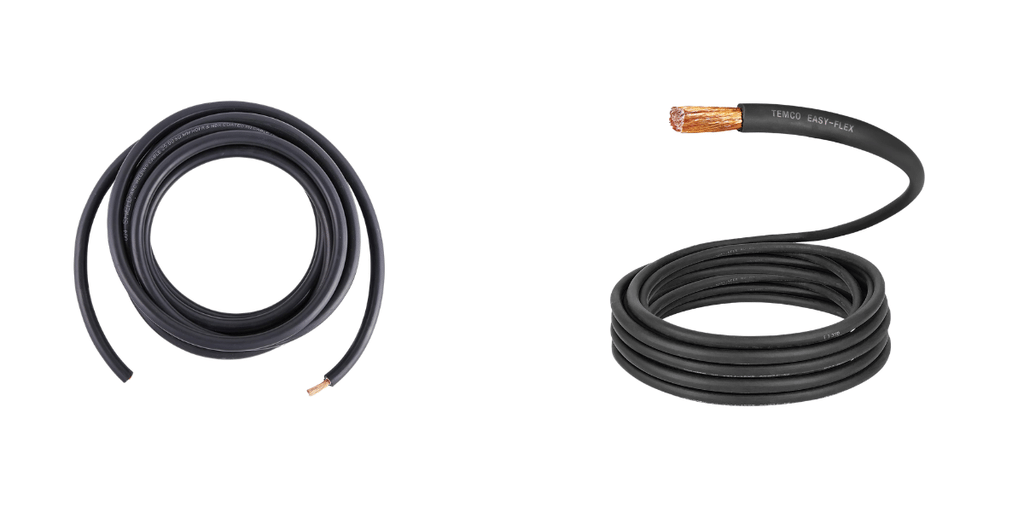
Welding cables are flexible electrical designed to carry the high current required during welding operations. They connect machines to electrode holders, torches, or workpiece connections, depending on the system.
These cables are generally made with stranded copper conductors and protective insulation. The stranded conductor design provides flexibility, making it easier for workers to move the cable around a workshop or construction site.
High-quality welding cables must withstand regular bending, movement, and demanding working conditions. Therefore, selecting a cable with the correct current rating, conductor size, insulation, and temperature resistance is essential.
Importance of Welding Cables in Industrial Applications
Welding cables are essential for maintaining a stable electrical connection between equipment and the point. Poor-quality or incorrectly sized can cause excessive voltage drop, overheating, reduced efficiency, and safety risks.
Reliable welding cables help support consistent current transmission and make work more convenient. Their flexibility also allows welders to move equipment easily while working on different metal structures.
Industries that perform frequent should choose cables according to the machine’s output current, duty cycle, cable length, and operating environment. Proper installation and regular inspection are equally important for safe operation.
Types of Welding Cables
Different welding applications require different cable designs. Some common types include the following.
1. Copper Welding Cables
Copper welding cables use copper conductors to provide good electrical conductivity. They are commonly selected for equipment because copper can carry electrical current efficiently when the conductor is correctly sized.
These cables are available in different cross-sectional areas to suit different currents and cable lengths.
2. Flexible Welding Cables
Flexible cables are manufactured with fine-stranded conductors that allow easy bending and movement. They are suitable for fabrication workshops, maintenance departments, construction sites, and other locations where welders frequently reposition their equipment.
3. Rubber-Insulated Welding Cables
Rubber-insulated use a flexible insulating or sheathing material designed for demanding working environments. Depending on the cable specification, they may provide resistance to abrasion, heat, oil, and other environmental factors.
Buyers should verify the exact properties of the insulation before selecting a cable for a specialised application.
4. Heavy-Duty Welding Cables
Heavy-duty cables are designed for welding systems that require higher current capacity or operate under demanding conditions. Their suitability depends on conductor size, insulation rating, ambient temperature, and installation conditions.
Choosing the correct cable size is important to avoid overheating and excessive voltage drop.
5. Industrial Welding Cables
Industrial cables are used in manufacturing plants, fabrication units, engineering workshops, and infrastructure projects. They are selected according to the process, machine requirements, and working environment.
Megacab can be considered when evaluating cable solutions for industrial requirements. Buyers should confirm the available cable specifications, sizes, and certifications directly with the company.
Applications of Welding Cables
Welding cables are used across many industries because is required for joining and repairing metal components.
Construction Industry: Welding cables are used for fabricating steel structures, supporting metal framework assembly, and completing on-site repair work.
Automotive Industry: Vehicle manufacturing and repair workshops use equipment for metal bodywork, chassis repairs, and component fabrication.
Metal Fabrication: Fabrication businesses rely on to connect machines during the production of gates, frames, brackets, and metal enclosures.
Shipbuilding and Repair: Suitable welding cables support activities in shipyards and marine repair facilities, subject to the environmental requirements of the location.
Manufacturing Plants: Industrial units use welding cables for machinery fabrication, maintenance, equipment repair, and metal assembly.
Agricultural Equipment: Welding cables are useful in workshops that manufacture and repair agricultural machinery, trailers, tools, and metal equipment.
Benefits of Choosing Quality Welding Cables
1. Efficient Electrical Conductivity
A properly sized cable with a suitable conductor helps transfer electrical current efficiently. This supports reliable performance and helps minimise unnecessary electrical losses.
2. Better Flexibility
Flexible cables make it easier for workers to move around machinery, workbenches, and metal structures. This can improve convenience during regular welding tasks.
3. Improved Durability
A cable with suitable insulation and a robust construction can withstand normal workshop handling and repeated movement. This may help reduce premature cable replacement.
4. Reduced Overheating Risks
Correct cable sizing helps prevent excessive heating caused by high current, long cable runs, or unsuitable operating conditions. However, proper connections, inspection, and equipment protection remain essential.
5. Convenient Handling
Well-designed welding cables are easier to route around work areas and connect to compatible equipment. Proper cable management also helps reduce tangling and accidental damage.
6. Long-Term Value
Selecting a cable based on technical requirements rather than price alone can help reduce downtime and maintenance expenses over its service life.
How to Select the Right Welding Cable
Before purchasing welding cables, buyers should consider several technical factors.
- Current capacity: Choose a cable that can safely carry the machine’s required current.
- Conductor size: Consider the cable length, duty cycle, installation method, and permissible voltage drop.
- Insulation quality: Select insulation suitable for the temperature, abrasion, and environmental conditions.
- Flexibility: Check whether the cable is suitable for frequent movement and the required bending radius.
- Operating environment: Consider exposure to oil, moisture, heat, sparks, and mechanical damage.
- Standards and testing: Ask for relevant technical specifications, test reports, and applicable compliance documents.
- Compatibility: Ensure that cable terminals and connections are compatible with the welding equipment.
Consulting a knowledgeable supplier can help buyers select a suitable cable for their particular application.
Why Choose Megacab for Welding Cable Requirements
When comparing Welding Cables Manufacturers in India, buyers should focus on product quality, technical support, consistent specifications, and the ability to meet their application requirements.
Megacab can be considered by businesses seeking cable solutions for industrial and commercial use. Before placing an order, customers should discuss their current requirements, preferred conductor sizes, insulation specifications, and expected operating conditions with the company.
Here are some important points to consider when evaluating Megacab:
Application-Based Selection: Explain your machine specifications and working conditions to identify an appropriate cable.
Technical Specifications: Request details about conductor material, cross-sectional area, insulation, current capacity, and temperature rating.
Quality Verification: Review the available product documentation and test reports before making a purchase.
Suitable Cable Options: Discuss the available cable sizes and constructions for your workshop, fabrication unit, or industrial project.
Long-Term Requirements: Consider supply consistency and product suitability when planning repeat purchases.
Choosing a cable supplier carefully can help businesses maintain reliable welding operations and make informed purchasing decisions. Contact Megacab directly to confirm its current cable range and product availability.
Maintenance Tips for Welding Cables
Regular inspection helps maintain cable performance and supports workplace safety.
- Inspect cables for cuts, cracks, exposed conductors, and damaged insulation.
- Check terminals and connectors for loose connections or signs of overheating.
- Avoid pulling by their connectors or placing heavy objects on them.
- Keep cables away from sharp edges, excessive heat, and unsuitable chemicals.
- Use the recommended cable size for the welding current and duty cycle.
- Disconnect equipment from its power source before carrying out inspections or repairs.
- Replace damaged cables promptly instead of relying on temporary repairs.
These practices can help extend cable service life and reduce avoidable interruptions.
Frequently Asked Questions (FAQs)
1. What are welding cables used for
Welding cables transfer electrical current between equipment and the electrode holder, torch, or workpiece connection, depending on the system.
2. Which conductor material is commonly used in welding cables
Copper is commonly used because of its good electrical conductivity and flexibility when manufactured with suitable stranded construction.
3. How do I choose the correct welding cable size
Consider current, cable length, duty cycle, installation conditions, and permissible voltage drop. Follow the equipment manufacturer’s recommendations.
4. Are flexible welding cables better for industrial applications
Flexible cables are useful when frequent movement is required. The best option depends on current capacity, insulation properties, and the working environment.
5. Which industries use welding cables
Construction, automotive manufacturing, fabrication, shipbuilding, engineering, agricultural equipment repair, and industrial maintenance commonly use cables.
6. How can I maintain welding cables
Inspect insulation and connectors regularly, prevent mechanical damage, avoid excessive heating, and replace damaged cables promptly.
7. Why should I compare welding cable manufacturers in India
Comparing manufacturers helps buyers assess technical specifications, product quality, compliance documentation, available sizes, and supply requirement
Conclusion
Welding cables are an essential part of welding equipment used in construction, fabrication, automotive manufacturing, and industrial maintenance. The right cable provides suitable current-carrying capacity, flexibility, insulation, and durability for the intended working conditions.
When searching for dependable Welding Cables Manufacturers in India, buyers should compare technical specifications, quality documentation, application suitability, and supplier support. Megacab can be considered for cable requirements, with final product selection based on the company’s confirmed range and specifications.
Investing in an appropriately rated welding cable helps support efficient operations, safer handling, and reliable long-term performance.